
How to Verify an Ornamental Fish Exporter Before Making Payment
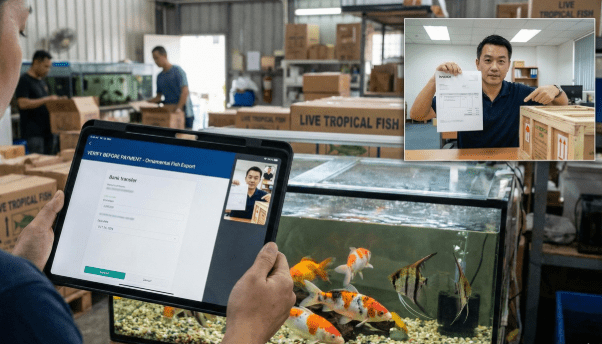
Finding a trustworthy ornamental fish exporter is one of the biggest challenges aquarium stores face today, especially when buying from unfamiliar regions or newly launched companies. The truth is simple: once money leaves your hands, you are vulnerable. This is why proper verification isn’t just smart, it is essential.
Below is a detailed, practical guide to help aquarium shops confirm the legitimacy of any exporter before sending money. Consider this your protection checklist.
Ask for Official Registration Documents and Licenses
A real exporter of ornamental fish always has government-issued documents. These vary by country, but the basics include:
- Company registration certificate
- Export license
- Wildlife collection or handling permit
- Health certificates
- CITES approval where required
If you’re dealing with an ornamental fish exporter in Kenya, for example, they must be registered with:
- Kenya Wildlife Service (KWS)
- Kenya Marine and Fisheries Research Institute (KMFRI)
- Kenya Bureau of Standards (KEBS)
A fraudulent exporter will give excuses like “We’ll send later,” “Our scanner is broken,” or “We don’t show documents unless you pay first.”
That is an immediate red flag.
Check Whether the Documents Are Verifiable
Documents alone are not proof. Scammers often photoshop or reuse certificates from real exporters. You must verify.
How to verify documents:
Check government websites:
Most wildlife or trade authorities have contact directories.Email the issuing authority:
Attach the certificate and ask if it is valid.Check dates:
Many export licenses must be renewed yearly.Match names:
The company name on the license should match the bank account and email address.
Genuine exporters welcome verification because it shows you are a serious buyer.
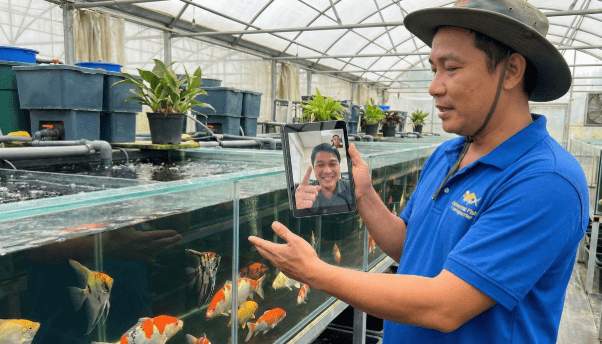
Request a Live Video Call of Their Facility
This is the fastest way to catch a scammer.
A real ornamental fish exporter will happily walk around and show you:
- Holding tanks
- Quarantine area
- Filtration systems
- Packing room
- Staff working
- Species in stock
A fraudulent ornamental fish exporter will claim:
- “Network problems”
- “Manager not around”
- “Facility under renovation”
- “We do not allow video calls for security reasons”
Remember:
If they can’t show you the fish, they don’t have the fish.
Evaluate Their Communication Style
Communication reveals professionalism. When assessing an ornamental fish exporter in Africa or anywhere else, look for:
Signs of a real exporter:
- Replies within reasonable time
- Clear explanations of procedures
- Willingness to answer questions
- Detailed packing and shipping guidelines
- Transparency about shipping dates and availability
Signs of a fake exporter:
- Pushy or aggressive messaging
- Generic copy-paste responses
- Avoiding direct questions
- Making promises that sound unrealistic
- Using only WhatsApp with no email communication
Remember:
A Good ornamental fish exporter is patient. Scammers rush you.
Ask for Weekly Stock Photos and Videos
Legitimate ornamental fish exporters update their stock list weekly or even daily. They provide:
- Videos of species swimming
- Clear photos (not taken from Google)
- Footage with date labels
- Packing videos from previous shipments
This is why real ornamental fish exporters have their own watermark on videos.
Request Customer References
A genuine exporter of ornamental fish will confidently share:
- Names of long-term customers
- Aquarium stores they currently supply
- Wholesalers who can confirm shipment quality
When an ornamental fish exporter refuses to give references, it shows something is wrong.
Analyze Their Pricing Structure
Fraudulent ornamental fish exporters use unbelievably cheap prices to bait new buyers.
If the market price for a species is $8, and someone offers it for $2, you should be suspicious.
A real ornamental fish exporter provides competitive but reasonable pricing based on:
- Species rarity
- Collection difficulty
- Export licensing fees
- Packing materials
- Air freight charges
The cheapest ornamental fish exporter is rarely the most trustworthy.
Verify Their Bank Account Details
A legitimate company uses:
- A corporate bank account
- A registered business name
- Clear invoice details
Scammers prefer:
- Personal accounts
- Mobile money numbers
- Cryptocurrency only
- No invoice
Begin With a Small Test Order
Never start with a full shipment. Begin with:
- A small box
- A limited species list
- Normal DOA policy agreement
This reduces financial risk and lets you evaluate:
- Packing quality
- Survival rates
- Exporter communication
- Delivery reliability
A real ornamental fish exporter will never object.
Conclusion: Verification Protects Your Business
Verifying an ornamental fish exporter is not difficult, but it requires structure and awareness. Fraud happens when buyers skip the verification stage.
Use the checklist above, and you’ll significantly reduce your risk. Whether you’re working with an ornamental fish exporter in Kenya or elsewhere, verification ensures safety, confidence, and long-term business success.
Learn more about frauduluent ornamental fish exporters in our main article: Avoiding Fraudulent Ornamental Fish Exporters