
How Do You Choose a Reliable Marine Fish Exporter?
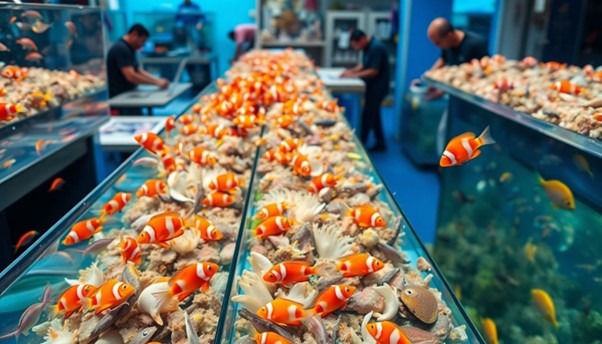
When sourcing marine fish for your business, the quality of your marine fish exporter determines everything; that is from the health of your stock to your customer satisfaction and long-term profitability. But with dozens of exporters across the world, how can you identify a reliable marine fish exporter who truly understands your needs as an importer or aquarium retailer?
In this guide, we’ll explore the key factors that define a trustworthy marine fish exporter, what to look for before signing a deal, and how to make sure your marine fish arrive healthy, vibrant, and ready for sale.
Check for Licensing and Legal Compliance
The first and most important step is to ensure your marine fish exporter operates legally. Reputable exporters should hold valid export licenses and comply with CITES regulations (Convention on International Trade in Endangered Species), especially when dealing with species that require international permits.
Ask the exporter to share:
- Their export license number
- CITES registration documents
- Any health and inspection certificates
This documentation shows that the exporter follows international standards and ensures that all shipments are traceable and ethical, something that protects both your business and your customers.
Evaluate Their Packaging and Handling Process
Marine fish are extremely delicate, poor handling or inadequate packaging can cause heavy losses during transport. A reliable marine fish exporter must have a standardized packing and oxygenation process, along with a short holding-to-shipping time.
Ask questions like:
- How long do the fish stay in holding tanks before shipment?
- What type of bags, oxygen ratio, and insulation materials are used?
- How is temperature maintained throughout the journey?
Confirm the Source and Sustainability Practices
Today’s buyers care deeply about sustainability. A responsible marine fish exporter should be transparent about how and where their fish are collected. Ethical collection ensures coral reef ecosystems are preserved while maintaining biodiversity.
Look for exporters who:
- Work closely with licensed local collectors
- Use non-destructive collection methods (no cyanide or reef damage)
- Maintain sustainable quotas for wild-caught fish
This not only safeguards marine ecosystems but also enhances your brand’s reputation among eco-conscious customers.
Assess Their Communication and Responsiveness
In B2B trade, communication is everything. A dependable marine fish exporter should provide clear, timely, and professional updates on every order, from fish availability to flight details.
Reliable communication includes:
- Quick response to inquiries (within 24 hours)
- Weekly stock lists and species availability
- Transparent pricing and freight quotes
- Real-time updates on shipment status
When an exporter takes time to understand your needs, responds promptly, and provides consistent updates, it’s a sign they value long-term partnerships, not just one-time sales.

Check Their Holding Facility and Quarantine Procedures
A professional marine fish exporter must operate a well-equipped holding facility that ensures fish are properly quarantined before export. This minimizes disease risk and ensures you receive healthy livestock.
Ask for:
- Photos or virtual tours of the facility
- Information on water filtration and temperature systems
- Details about quarantine duration and medication practices
An exporter who invests in clean, modern facilities demonstrates commitment to fish welfare and quality control which is both crucial for importers like you.
Evaluate Their Logistics and Delivery Track Record
Marine fish exports rely heavily on smooth, time-sensitive logistics. Choose an exporter with proven experience in air freight coordination, customs clearance, and timely delivery to your destination.
Key questions to ask:
- Which airlines and cargo partners do they use?
- How many years have they shipped internationally?
- Do they provide tracking and arrival confirmation?
An experienced exporter can handle documentation, ensure fast clearance at destination airports, and minimize transit time; all of which reduce stress and mortality rates for your fish.
Request References and Reviews
Don’t hesitate to ask for references from other importers or retailers who have worked with the exporter. Positive reviews, repeat orders, and referrals are strong indicators of reliability and consistency.
You can also check for:
- Testimonials on their website or LinkedIn
- Mentions in aquarium trade forums
- Industry recognition or partnerships
A good exporter’s reputation often speaks louder than their marketing.
Build a Long-Term Partnership
The best relationships between importers and exporters are built on mutual trust, transparency, and shared growth. When you find a supplier that consistently delivers healthy, well-packed fish and offers personalized service, nurture that relationship.
A long-term exporter can:
- Offer better prices and priority stock access
- Customize packing or species mix to your needs
- Provide early access to new arrivals
Final Thoughts
Choosing a reliable marine fish exporter takes time, research, and careful evaluation; but it’s an investment that pays off. Look beyond price alone; focus on quality, communication, sustainability, and experience.
If you’re looking for a trusted partner from Africa with a strong commitment to quality and transparency, explore our operations at Bluefields Aquatics ; a dedicated ornamental marine fish exporter known for reliability, healthy livestock, and professional shipping worldwide.